Blog

We Need Fiction Because Dragons Are Real

michaelmanto.substack.com

“Here there be dragons” is a phrase found on some old maps indicating dangerous, unknown, or unexplored territory. It was a symbolic warning of perils, though it was rarely meant to be taken literally by medieval mapmakers.

It’s not stretching things in the least to say we’ve entered very dangerous and unknown territory since Trump took office last year. We’re returning to a ‘might makes right’ ethos in international relations, were strong nations feel they have the right to do what they want to smaller countries, simply because they can. As one of Trump’s minions recently gloated, power is the only thing that matters. Everything else are just ‘legal niceties’. Worthless, in other words.

Here there be dragons indeed.

I’ve been writing sci-fi for twenty years now. My personal favorite is a series centered on aliens who love coffee and visit our planet to trade for it. It’s light-hearted escapism and definitely not meant to be taken seriously. It’s meant to give people a break from reality, to provide a mental and emotional reset.

I have an awful lot of fun writing these kinds of stories, and it gives me an important break from the daily barrage of unrelenting horrid news. I hope my readers find the same respite in them as I do.

Because somehow, every day the news manages to be worse than the day before. This past weekend my wife asked me, in all seriousness, when WW3 was going to start. She’s a very down-to-earth, gentle soul, who is not given to hyperbole. I’ve often asked myself the same question but never gave it a voice until last weekend.

The monsters are loose on the world stage and, as predators will do, they glory and luxuriate in their power to crush those who are weaker. And in the minds of men like Trump and his sycophants, weaker people and nations simply aren’t worthy of respect, life or liberty, for no other reason than they are simply weaker.

That’s why I believe we need fantasy stories and good satire now more than ever before. Chesterton said that, “Fairy tales do not tell children that dragons exist. Children already know that dragons exist. Fairy tales tell children that dragons can be killed”.

When the monsters are loose and the times evil, we need imaginative fiction to remind us that dragons can be defeated.

Thanks for visiting today. This is the first part of an article I wrote on Substack. You may read the full article for free here:

Contact me here

You deserve a coffee break

Wally & the Anti-fascist Fairy is now available

I’m excited to announce that my new political satire, Wally & the Anti-fascist Fairy, is now available on Amazon, Kobo, Apple and B&N in digital format and paperback.

It’s about a narcissist president who decrees that fairies are a domestic terrorist threat, and uses that to panic Americans into letting him become King of the World.

The cover for my new political satire

It all starts one day when some high school bullies think it would be great fun to pick on the weird kids who dress up as fairies. When Wally and his friends decide they’ve had enough, they take to the streets dressed in animal and fairy costumes to protest against the bullies.

No bullies!

Their ‘no bullies’ day protest goes viral on social media, and it’s not long before it comes to the attention of a thin-skinned president who’s convinced the protests are about him. Anger turns his orange face to brighter hues of tangerine as he watches the protesters dancing in the streets, and he designates anyone wearing a fairy or hippo costume as an Antifa terrorists.

The Gestapo arm of Homeland Insecurity – the National Interspecies Costume Enforcement agency (NICE) – starts rounding up and incarcerating hippos, frogs and fairies – or anyone dressed like one. But they can’t build the NICE concentration camps fast enough, so the president comes up with another one of his great policy ideas: detain the protesters in zoos. They’re dressed up as animals, after all.

Zoo officials, however, aren’t so sure it’s a good idea to put people in the zoo, even if they are dressed like animals, and are faced with a terrible decision: follow the orders of a deranged president, or disobey.

And that’s when the adventure for Wally and his Fairy friends really gets going.

Thanks for visiting today. I had a lot of fun writing this humorous satire and I think you’ll have loads of fun reading it too!

contact me

have a lovely day!

Book covers for Wally and the Anti-Fascist Fairy

These are some of the cover designs I’ve been playing around with for my new novel. At the moment I’m leaning towards the red one, but I also like the whimsical appeal of the ones with the blue backgrounds.

book cover for Wally & the Anti-fascist Fairy
Option 2
Option 3
Option 4

Leave a comment below, or use my ‘contact’ page to let me know what you think.

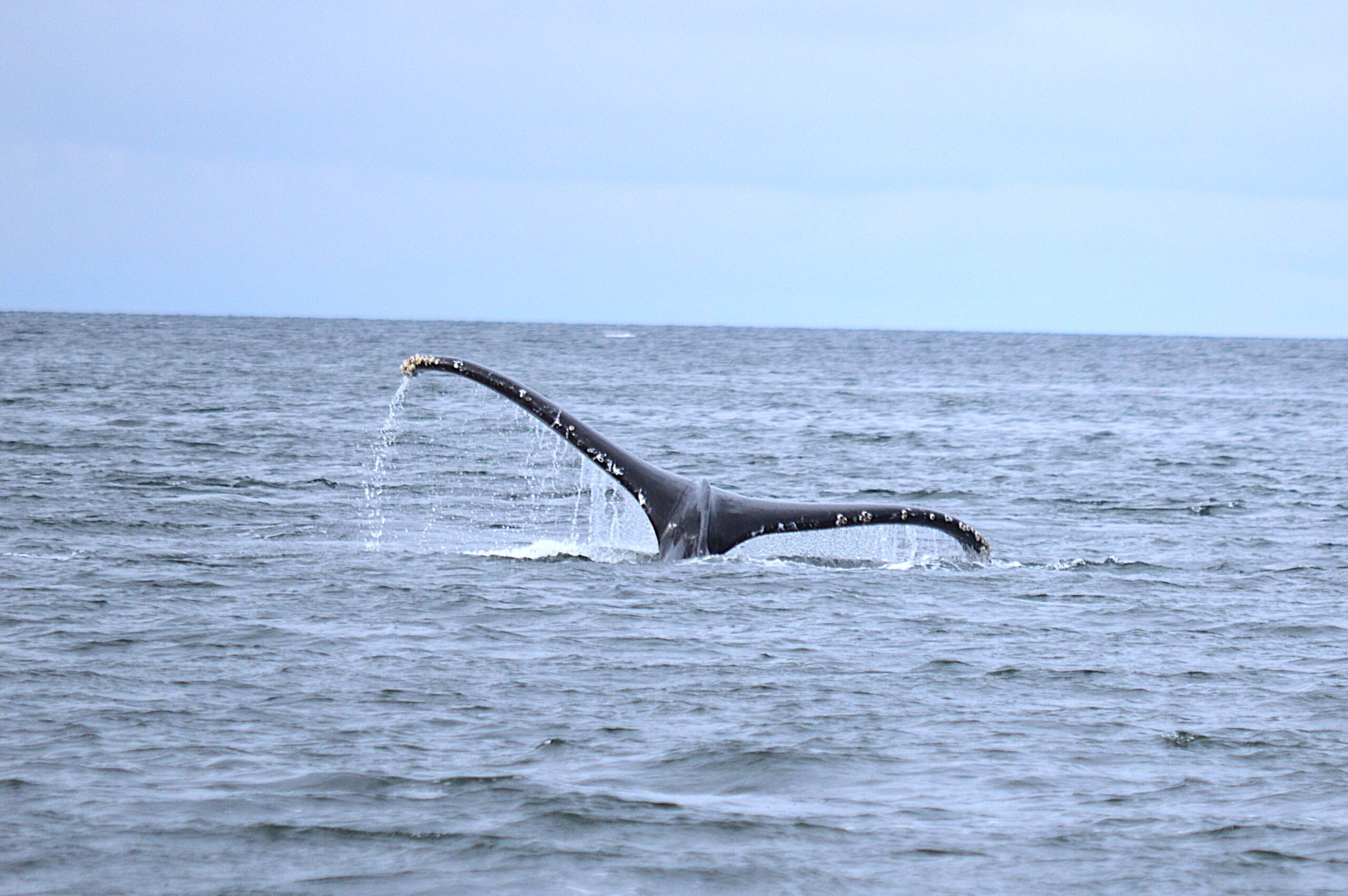
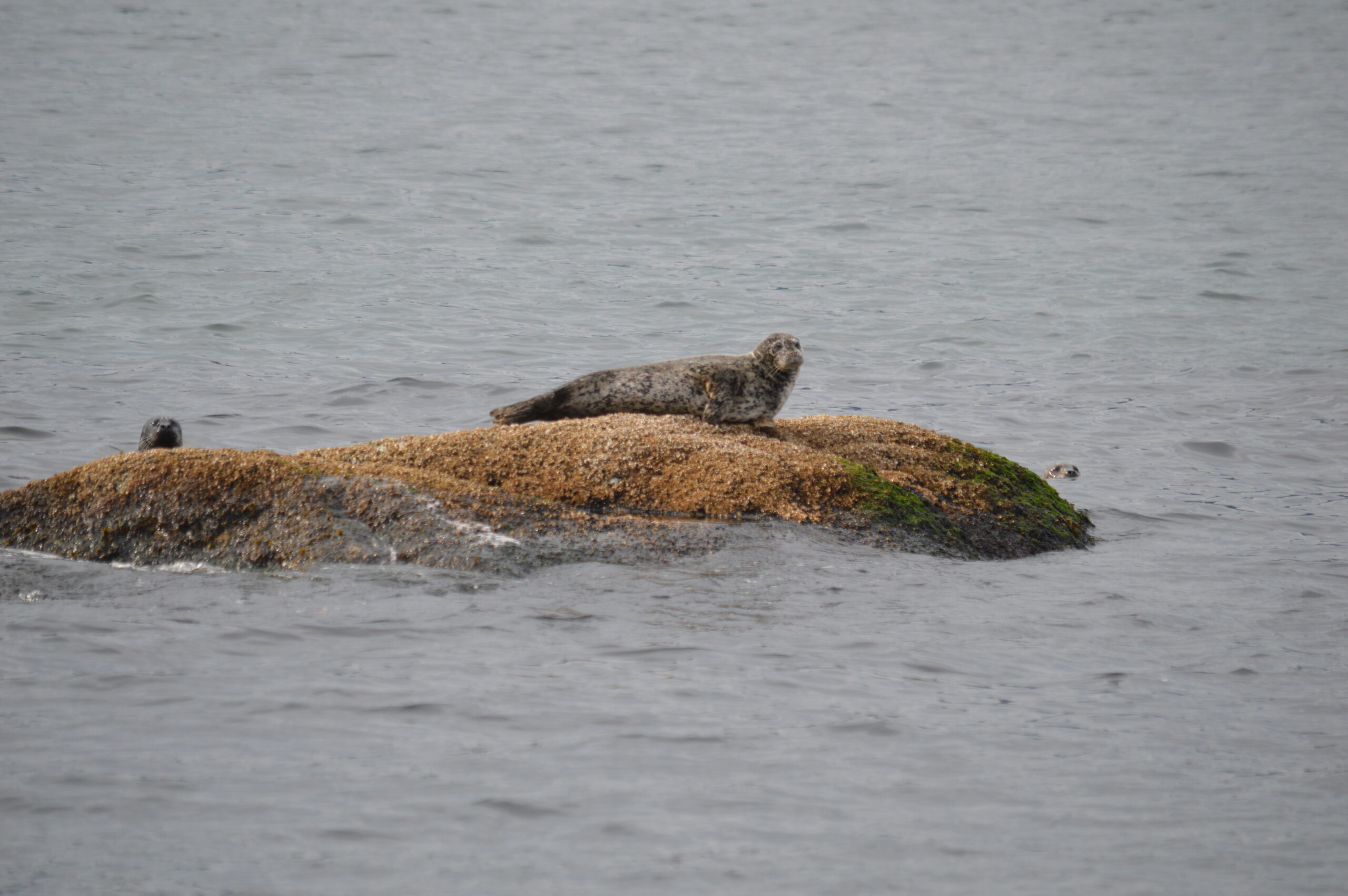
A photo I took off the coast of Vancouver Oct 2025

George Orwell’s 6 Rules of Writing

I’ve been on a bit of a roll lately, posting tips on writing from world class writers. I’m doing this mostly for myself and the few writing friends I’ve managed to collect over the years as a way to keep these tips always easily accessible for them and myself. I have no illusions that these posts are reaching many others, as my website gets very little internet traffic. (I’m too cheap to pay the ridiculous costs to boost my Google rankings.) But if you are lucky enough to be one of the few who happen upon my little website, I hope you will find them helpful.

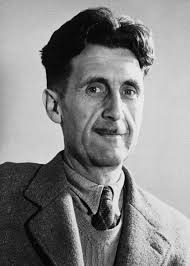
So here’s the next installment in my “Advice for Writers” series. Today I’m sharing some tips from George Orwell.

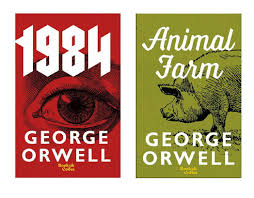
George Orwell, of course, needs no introduction. His classics, “1984” and “Animal Farm”, defined an entire literary genre. He gave these writing tips in an essay he wrote in 1946, “Politics and the English Language.”

So here they are, unedited and unadulterated:

A scrupulous writer, in every sentence that he writes, will ask himself at least four questions, thus:

  1. What am I trying to say?
  2. What words will express it?
  3. What image or idiom will make it clearer?
  4. Is this image fresh enough to have an effect?

And he will probably ask himself two more:

  1. Could I put it more shortly?
  2. Have I said anything that is avoidably ugly?

One can often be in doubt about the effect of a word or a phrase, and one needs rules that one can rely on when instinct fails. I think the following rules will cover most cases:

  1. Never use a metaphor, simile, or other figure of speech which you are used to seeing in print.
  2. Never use a long word where a short one will do.
  3. If it is possible to cut a word out, always cut it out.
  4. Never use the passive where you can use the active.
  5. Never use a foreign phrase, a scientific word, or a jargon word if you can think of an everyday English equivalent.
  6. Break any of these rules sooner than say anything outright barbarous.

~

~

From Orwell’s essay “Politics and the English Language.” As always, I do my best to give credit where credit is due. I discovered these wonderful tips on The Gotham Writers website.

As always, have a wonderful day.

Wally and the Anti-Fascist Fairy

I’m really excited about my latest novel, Wally and the Anti-Fascist Fairy. It’s a political satire in the tradition of Animal Farm. While no real names are used, there’s no prize for guessing who the US President is.

Probable book cover for Wally and the anti-fascist fairy

It’s about high school senior Wally and his friends Freddie and Kitty, who like to dress up as various animals and mythical creatures. It’s all just for fun, but the fun comes to an end when jocks from the football team, who like to think of themselves as real men, start pushing the fairies around.

‘No Bullies’

Wally and his Fairy friends decide they’ve had enough, and take to the streets in protest. Their ‘No Bullies’ protest days goes viral on social media and spreads across the country, and it’s not long before it comes to the attention of the thin-skinned Reginald Stultus Jr., President of the ‘hottest’ country in the world. Convinced the protests are about him, his orange face turns brighter hues of tangerine as he watches the protesting fairies and hippos dancing in the streets.

His ever-accommodating advisors suggest that any criticism of the great man must be an act of terrorism, and so the President designates hippos, fairies, and frogs – or anyone dressed like one – as Antifa and a domestic terrorist threat.

The Gestapo arm of Homeland Insecurity, the National Interspecies Costume Enforcement (NICE) agency, starts rounding up and incarcerating anyone dressed like a hippo, fairy or frog. But they can’t build the NICE concentration camps fast enough, so a dim-witted President comes up with another great policy idea: detain the protesters in zoos. They’re dressed as animals after all, so put them in the zoo where animals belong.

Zoo officials, however, aren’t so sure it’s a good thing to put kids in the zoo, despite Dear Leader’s wishes, and are forced to make a decision: follow the orders of a deranged President, or disobey.

And that’s when the adventure for Wally and his Fairy friends really gets started.

The manuscript is with my proof reader now, and I plan to publish mid-January. I’m still working on the cover art, and when it’s finished I’ll share it in a future post.

Another possible cover

Thanks for visiting. Now go find some friends and make it a great day!

Pixar Story Rules

A while ago, Pixar story artist Emma Coats tweeted a series of “story basics” — guidelines that she learned from her more senior colleagues on how to create appealing stories.

Pixar has made a lot of wonderful full-length animated movies over the years with great, well written stories. Any tips and advice from them on story development is well worth the read.

Pixar Story Guidelines

#1: You admire a character for trying more than for their successes.

#2: You gotta keep in mind what’s interesting to you as an audience, not what’s fun to do as a writer. They can be v. different.

#3: Trying for theme is important, but you won’t see what the story is actually about til you’re at the end of it. Now rewrite.

#4: Once upon a time there was ___. Every day, ___. One day ___. Because of that, ___. Because of that, ___. Until finally ___.

#5: Simplify. Focus. Combine characters. Hop over detours. You’ll feel like you’re losing valuable stuff but it sets you free.

#6: What is your character good at, comfortable with? Throw the polar opposite at them. Challenge them. How do they deal?

#7: Come up with your ending before you figure out your middle. Seriously. Endings are hard, get yours working up front.

#8: Finish your story, let go even if it’s not perfect. In an ideal world you have both, but move on. Do better next time.

#9: When you’re stuck, make a list of what WOULDN’T happen next. Lots of times the material to get you unstuck will show up.

#10: Pull apart the stories you like. What you like in them is a part of you; you’ve got to recognize it before you can use it.

#11: Putting it on paper lets you start fixing it. If it stays in your head, a perfect idea, you’ll never share it with anyone.

#12: Discount the 1st thing that comes to mind. And the 2nd, 3rd, 4th, 5th – get the obvious out of the way. Surprise yourself.

#13: Give your characters opinions. Passive/malleable might seem likable to you as you write, but it’s poison to the audience.(Branch Rickie!!!!!)

#14: Why must you tell THIS story? What’s the belief burning within you that your story feeds off of? That’s the heart of it.

#15: If you were your character, in this situation, how would you feel? Honesty lends credibility to unbelievable situations.

#16: What are the stakes? Give us reason to root for the character. What happens if they don’t succeed? Stack the odds against.

#17: No work is ever wasted. If it’s not working, let go and move on – it’ll come back around to be useful later.

#18: You have to know yourself: the difference between doing your best & fussing. Story is testing, not refining.

#19: Coincidences to get characters into trouble are great; coincidences to get them out of it are cheating.

#20: Exercise: take the building blocks of a movie you dislike. How d’you rearrange them into what you DO like?

#21: You gotta identify with your situation/characters, can’t just write ‘cool’. What would make YOU act that way?

#22: What’s the essence of your story? Most economical telling of it? If you know that, you can build out from there.

Credit: Pixar story rules (one version)
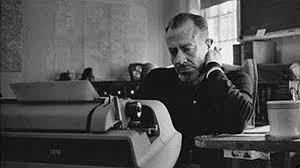
Six Writing Tips from John Steinbeck

Or, why IMHO the best advice for new writers is no advice.

I was browsing through some old archived folders on my laptop the other day – yes, I was that bored – and came across a collection of writing tips I’d gleaned several years ago.

In my opinion #2 is the best, and #4 is also very good, but then these are tips from John Steinbeck, so who am I to judge.

Personally I still hold to what I wrote a couple of years ago, in which I argue that the best advice – for the new writer – is no advice. Don’t go around looking for advice or attending writers conferences. Don’t do any of that until you’ve finished a complete full length novel. Until then, just write. You need to make all your own mistakes, and experience the struggle first hand, before any advice will make sense. Until then it’s just theory. Once you’ve completed a novel to the best of your ability, then you’ll be better able to appreciate just how brilliant Steinbeck’s advice really is. Because it really is.

~

~

Credit: by Maria Popova

6 Tips from John Steinbeck

If this is indeed the year of reading more and writing better, we’ve been right on course with David Ogilvy’s 10 no-bullshit tips, Henry Miller’s 11 commandments, and various invaluable advice from other great writers. Now comes John Steinbeck — Pulitzer Prize winner, Nobel laureate, love guru — with six tips on writing, culled from his altogether excellent interview it the Fall 1975 issue of The Paris Review.

  1. Abandon the idea that you are ever going to finish. Lose track of the 400 pages and write just one page for each day, it helps. Then when it gets finished, you are always surprised.
  1. Write freely and as rapidly as possible and throw the whole thing on paper. Never correct or rewrite until the whole thing is down. Rewrite in process is usually found to be an excuse for not going on. It also interferes with flow and rhythm which can only come from a kind of unconscious association with the material.
  1. Forget your generalized audience. In the first place, the nameless, faceless audience will scare you to death and in the second place, unlike the theater, it doesn’t exist. In writing, your audience is one single reader. I have found that sometimes it helps to pick out one person—a real person you know, or an imagined person and write to that one.
  1. If a scene or a section gets the better of you and you still think you want it—bypass it and go on. When you have finished the whole you can come back to it and then you may find that the reason it gave trouble is because it didn’t belong there.
  1. Beware of a scene that becomes too dear to you, dearer than the rest. It will usually be found that it is out of drawing.
  1. If you are using dialogue—say it aloud as you write it. Only then will it have the sound of speech.

But perhaps most paradoxically yet poetically, twelve years prior — in 1963, immediately after receiving the Nobel Prize in Literature “for his realistic and imaginative writings, combining as they do sympathetic humour and keen social perception” — Steinbeck issued a thoughtful disclaimer to all such advice:

If there is a magic in story writing, and I am convinced there is, no one has ever been able to reduce it to a recipe that can be passed from one person to another. The formula seems to lie solely in the aching urge of the writer to convey something he feels important to the reader. If the writer has that urge, he may sometimes, but by no means always, find the way to do it. You must perceive the excellence that makes a good story good or the errors that makes a bad story. For a bad story is only an ineffective story.”

Some Links to More Great Tips from Literary Icons

If you feel bold enough to discount Steinbeck’s anti-advice advice, you can do so with these 9 essential books on more and writing. Find more such gems in this collection of priceless interviews with literary icons from half a century of The Paris Review archives.

Credit: Six Tips on Writing from John Steinbeck

Thanks for reading today’s post. It’s been fun!

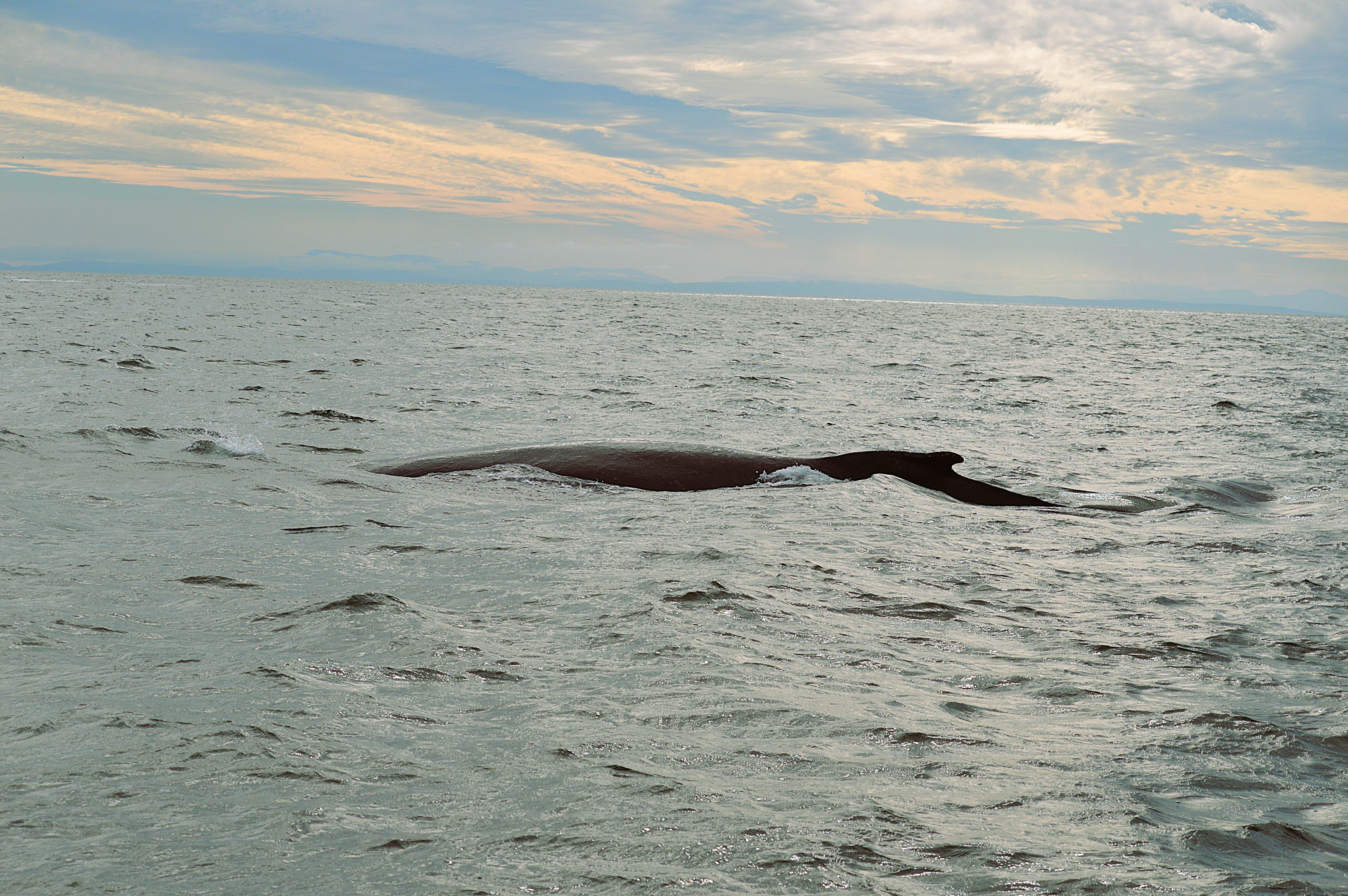
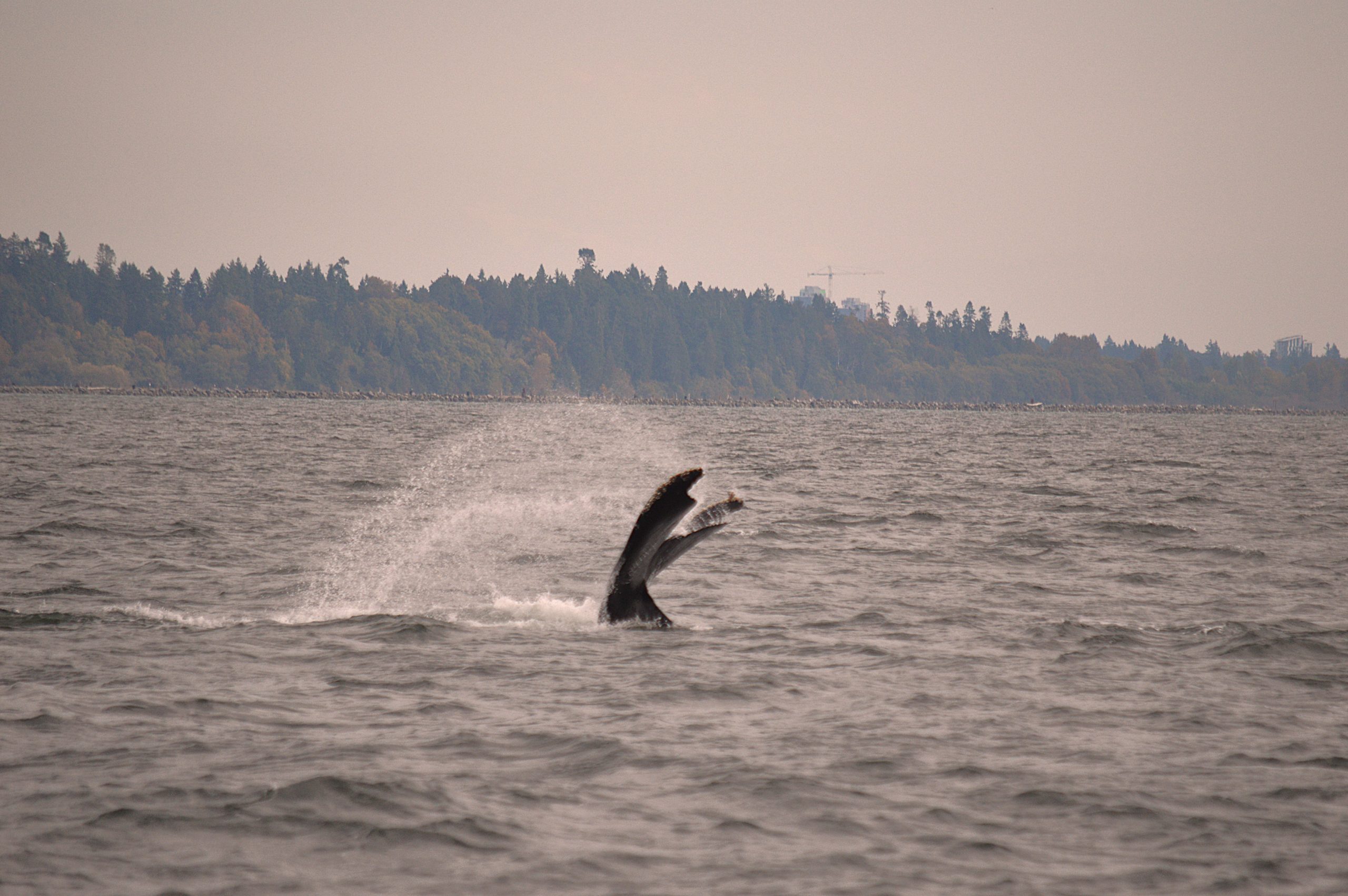
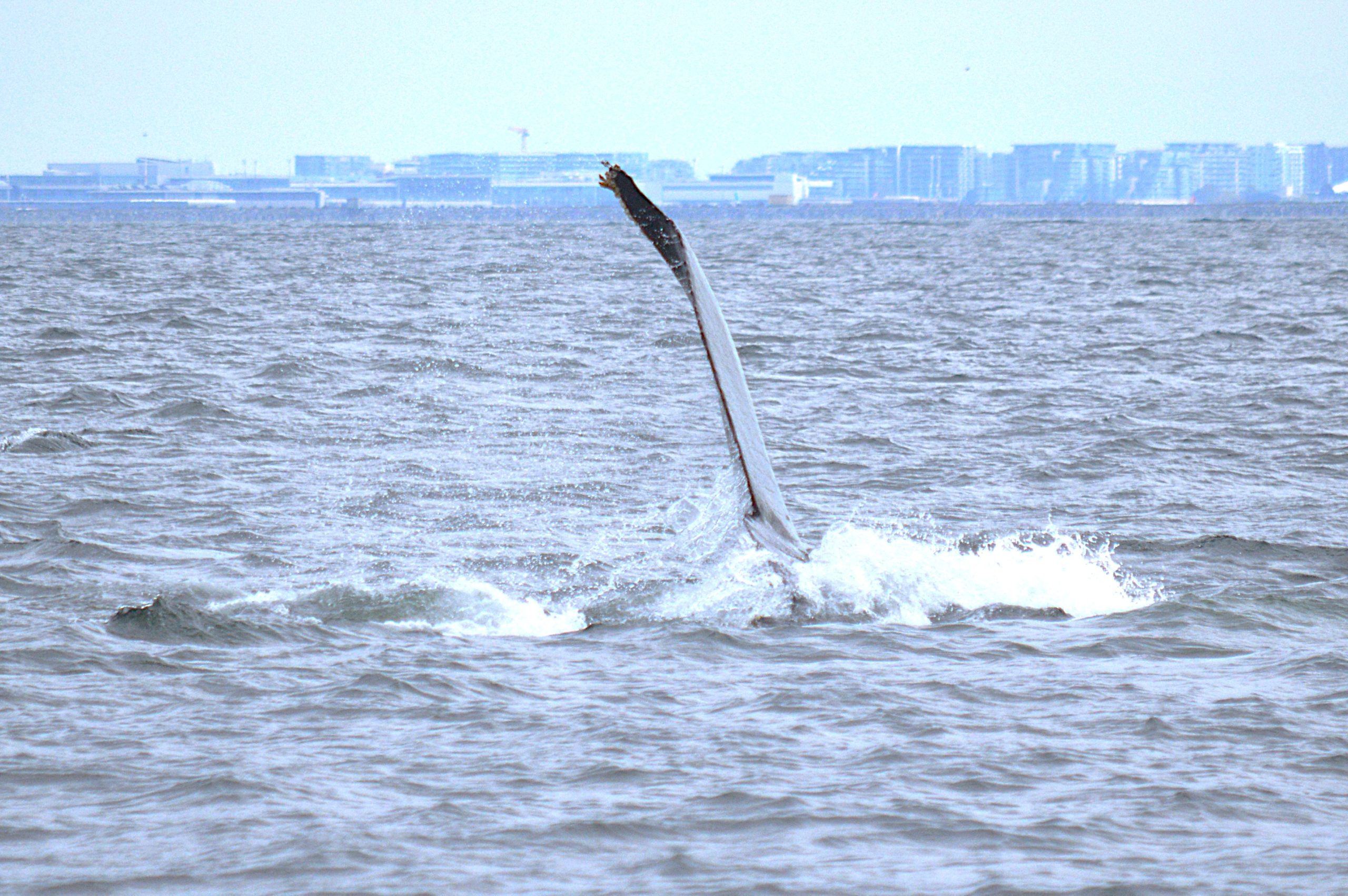
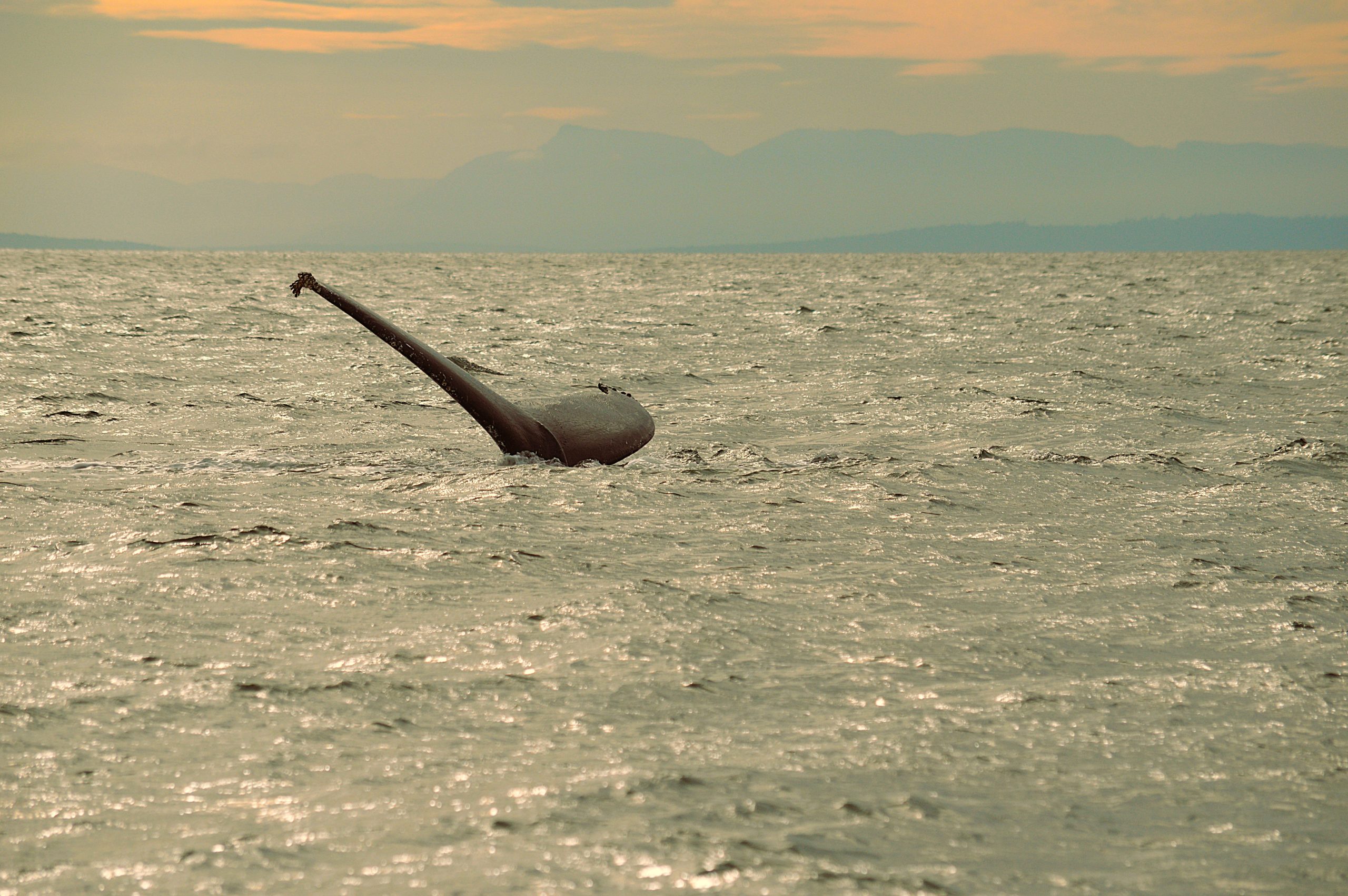
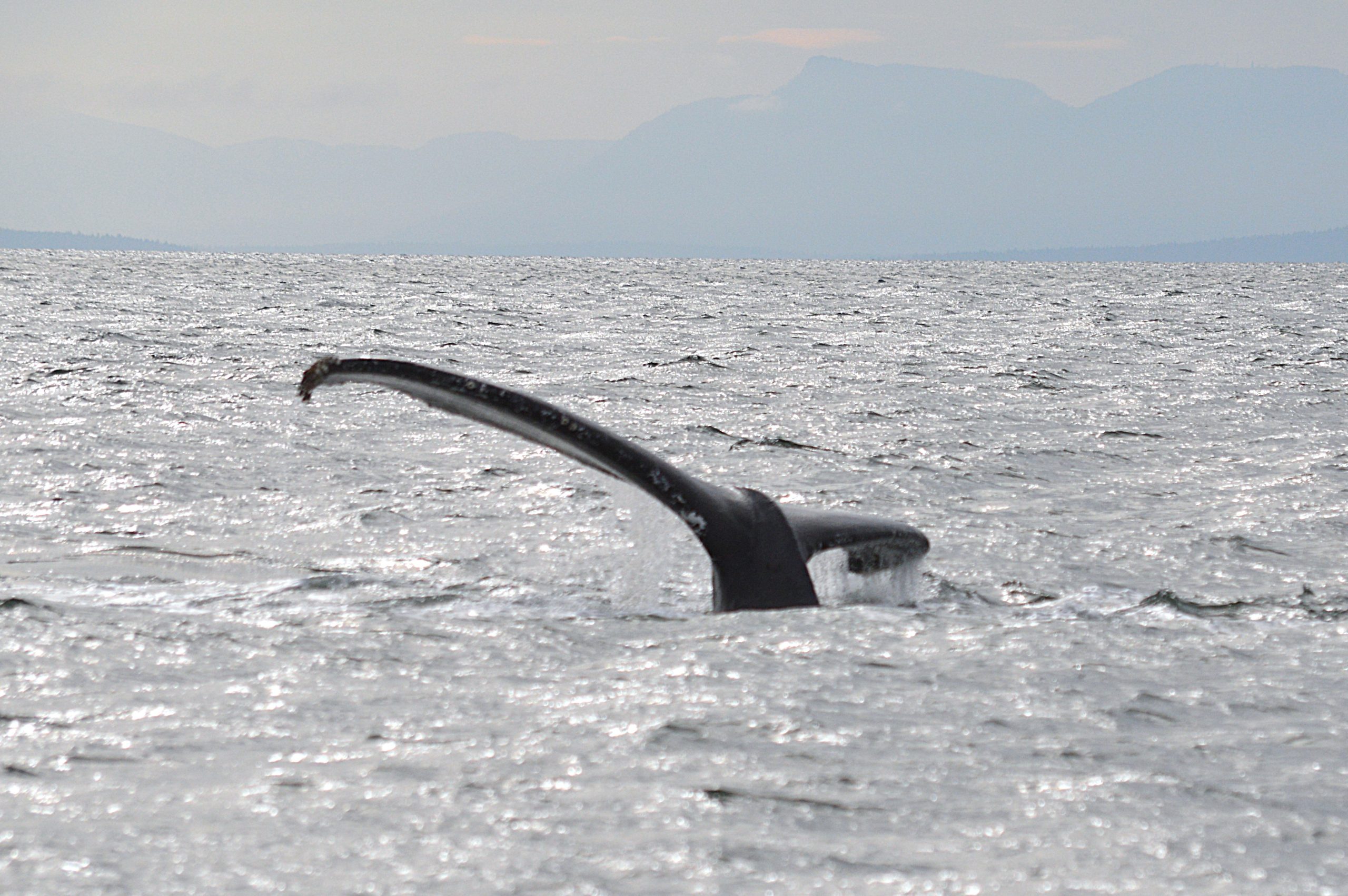
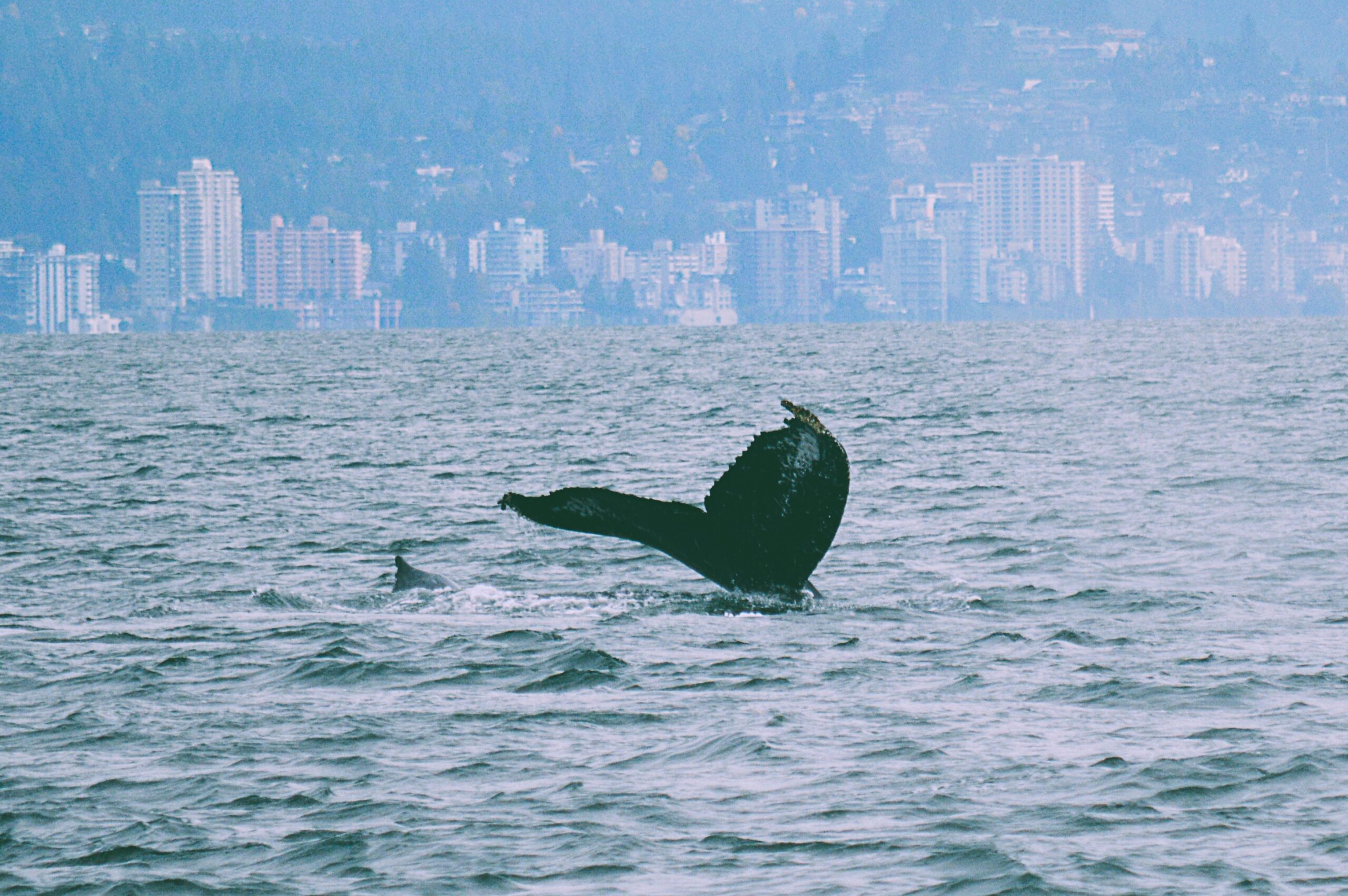
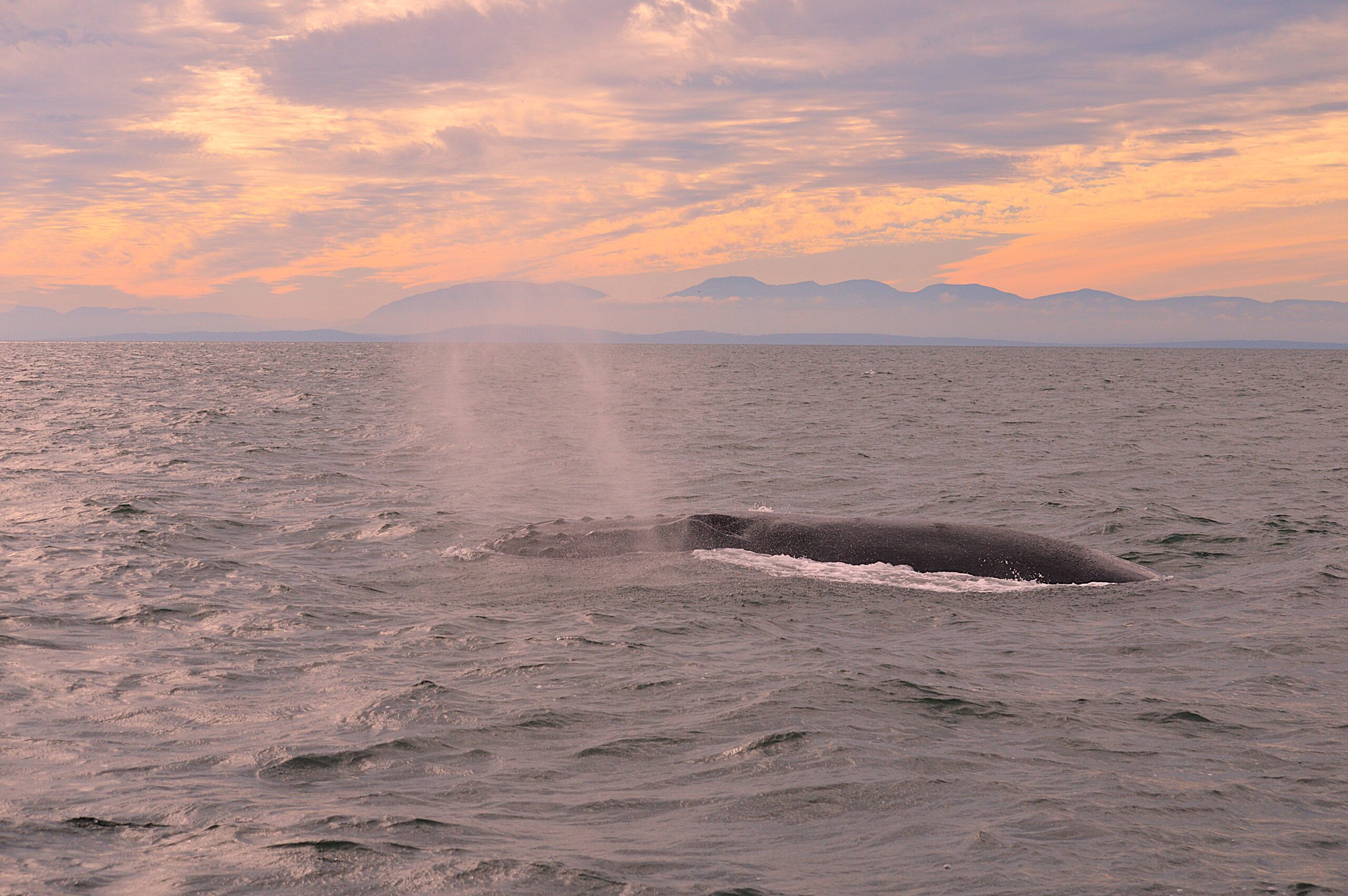
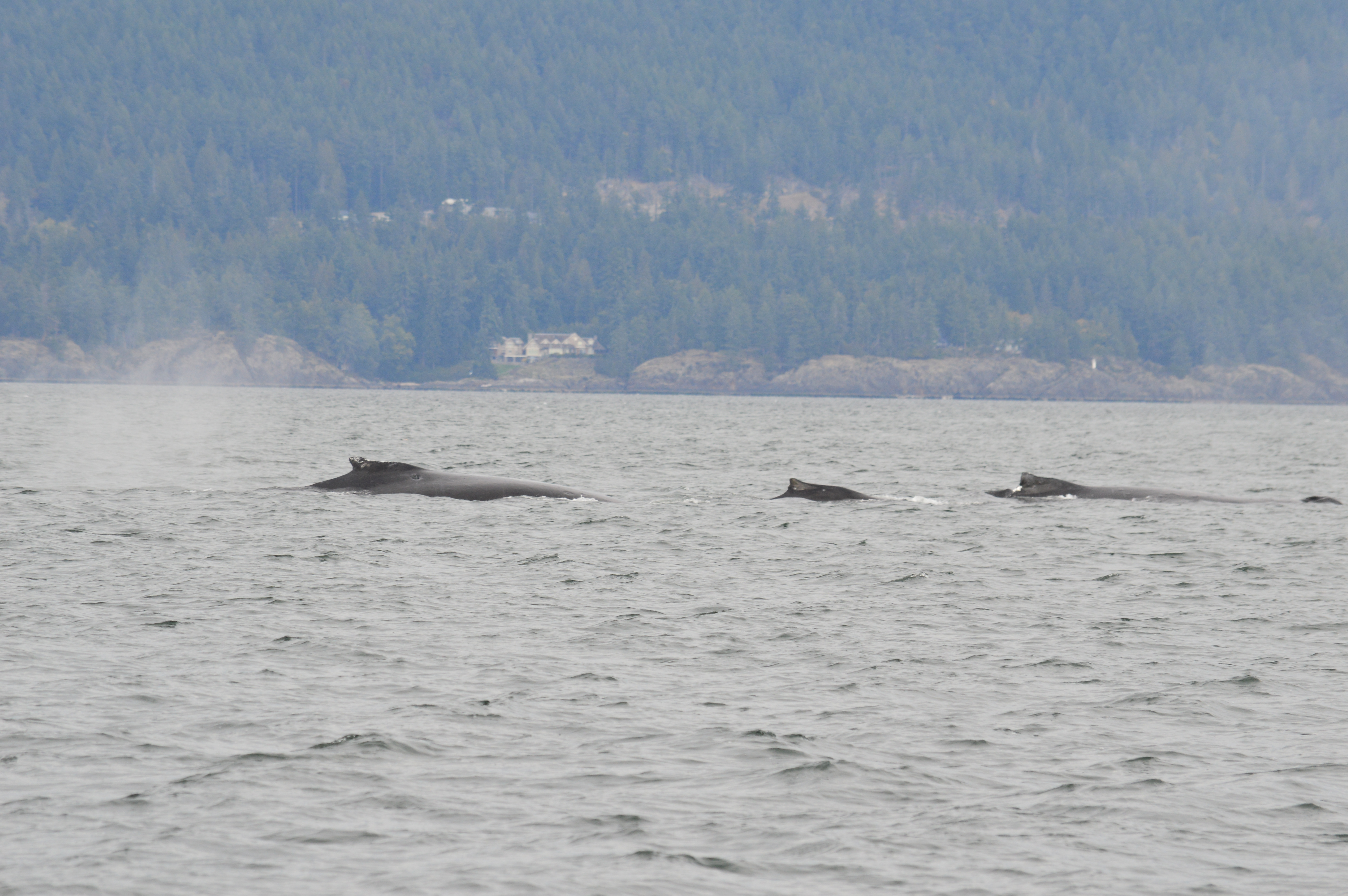
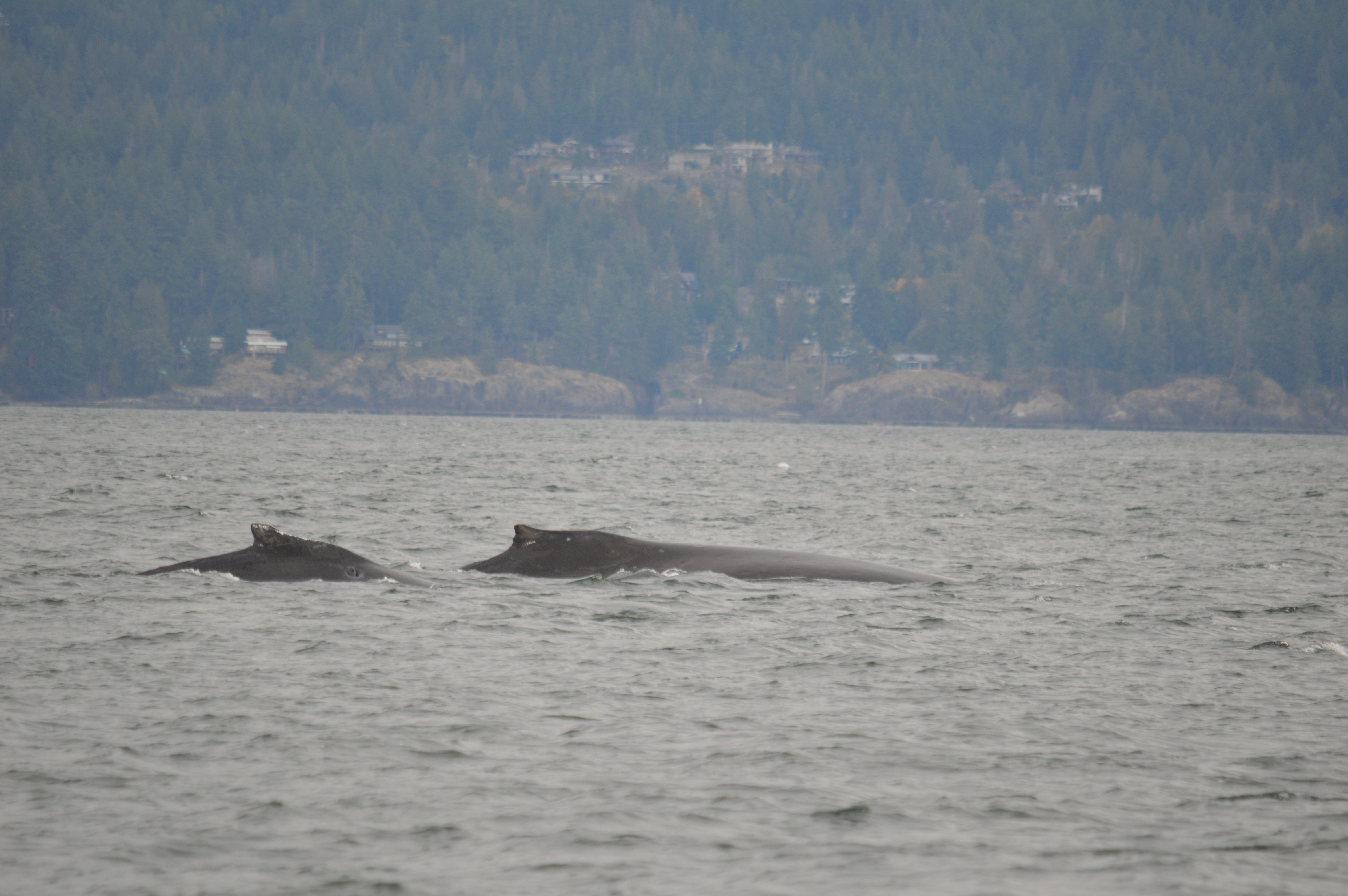
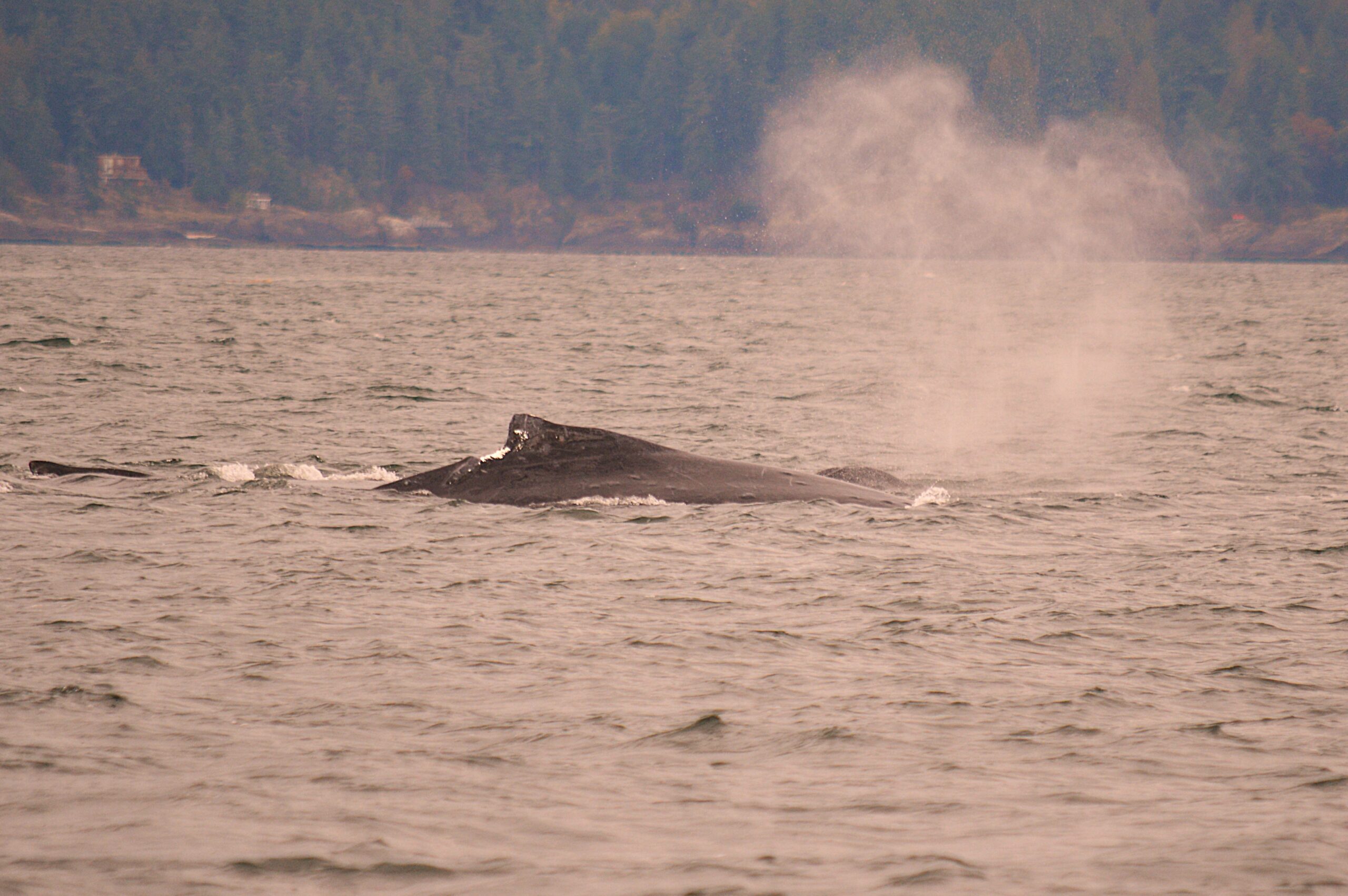
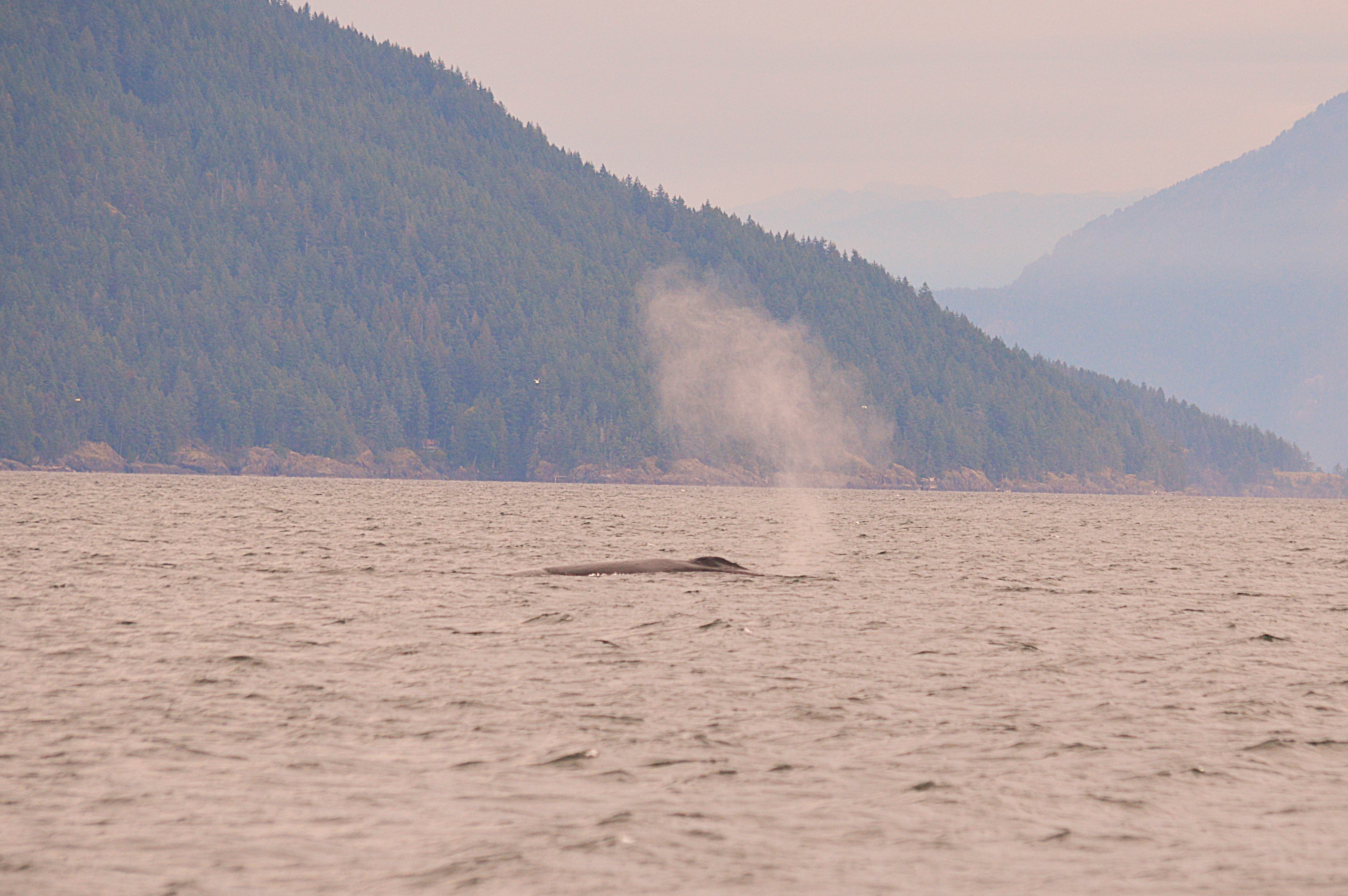
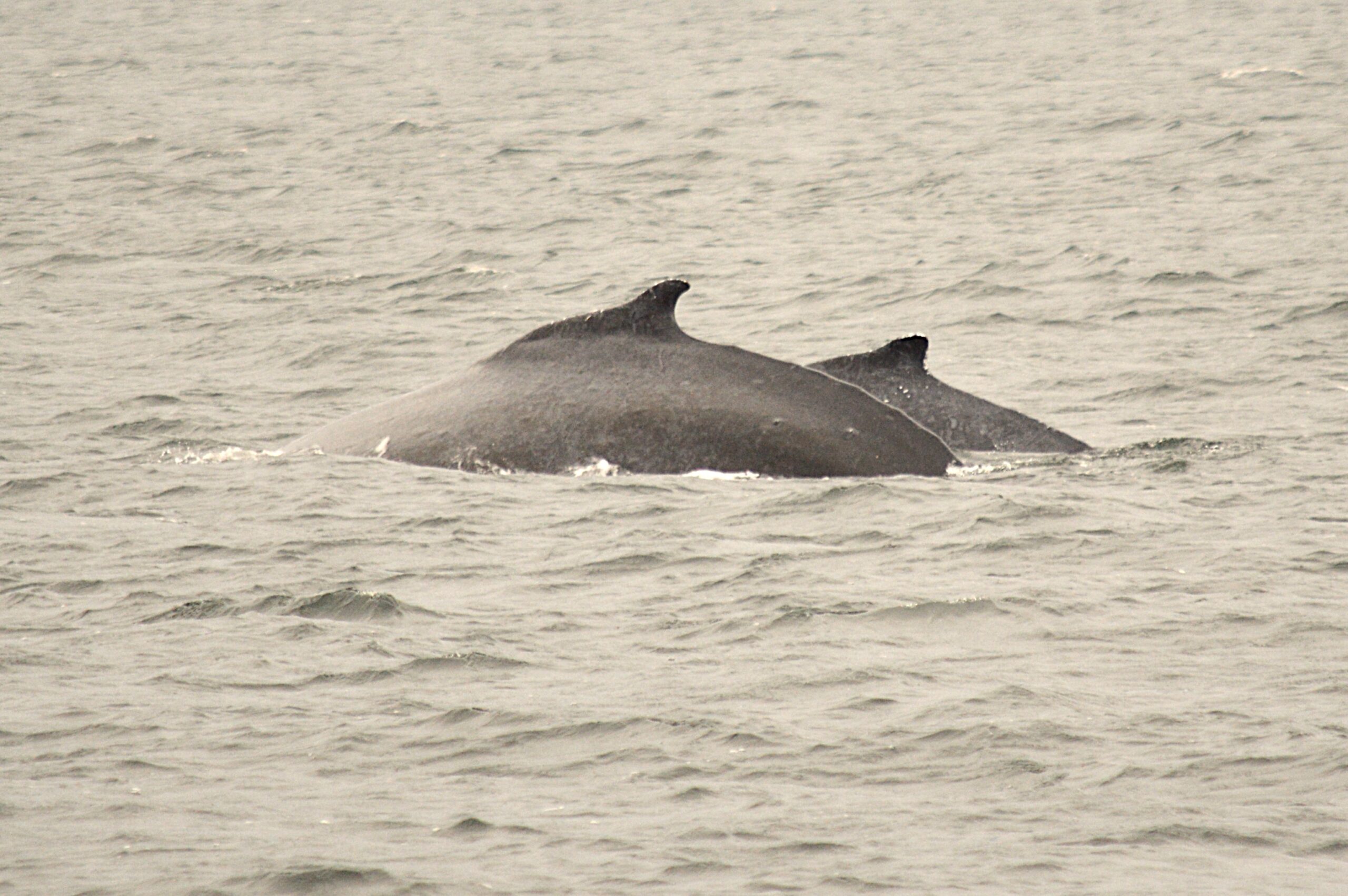
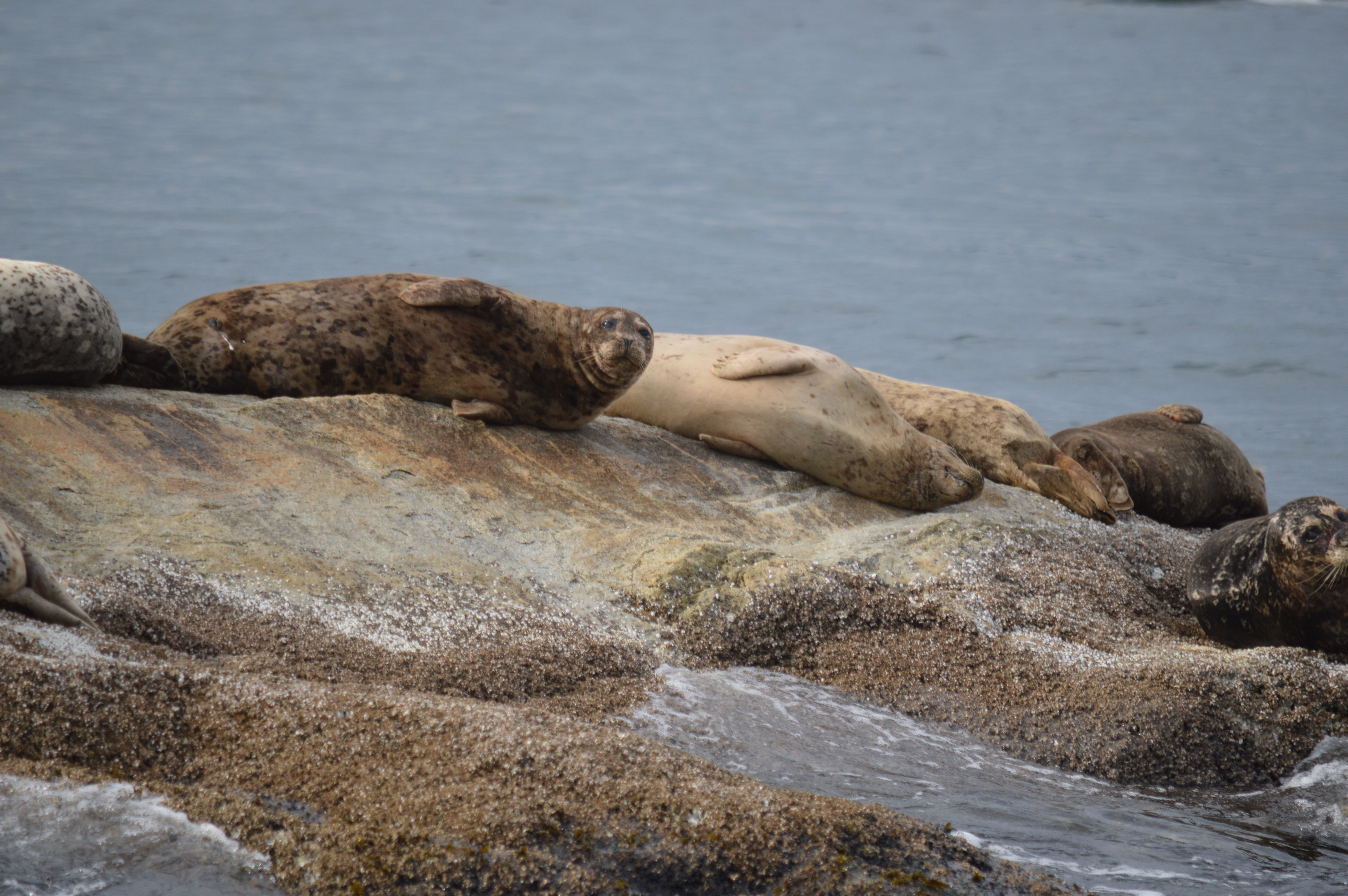
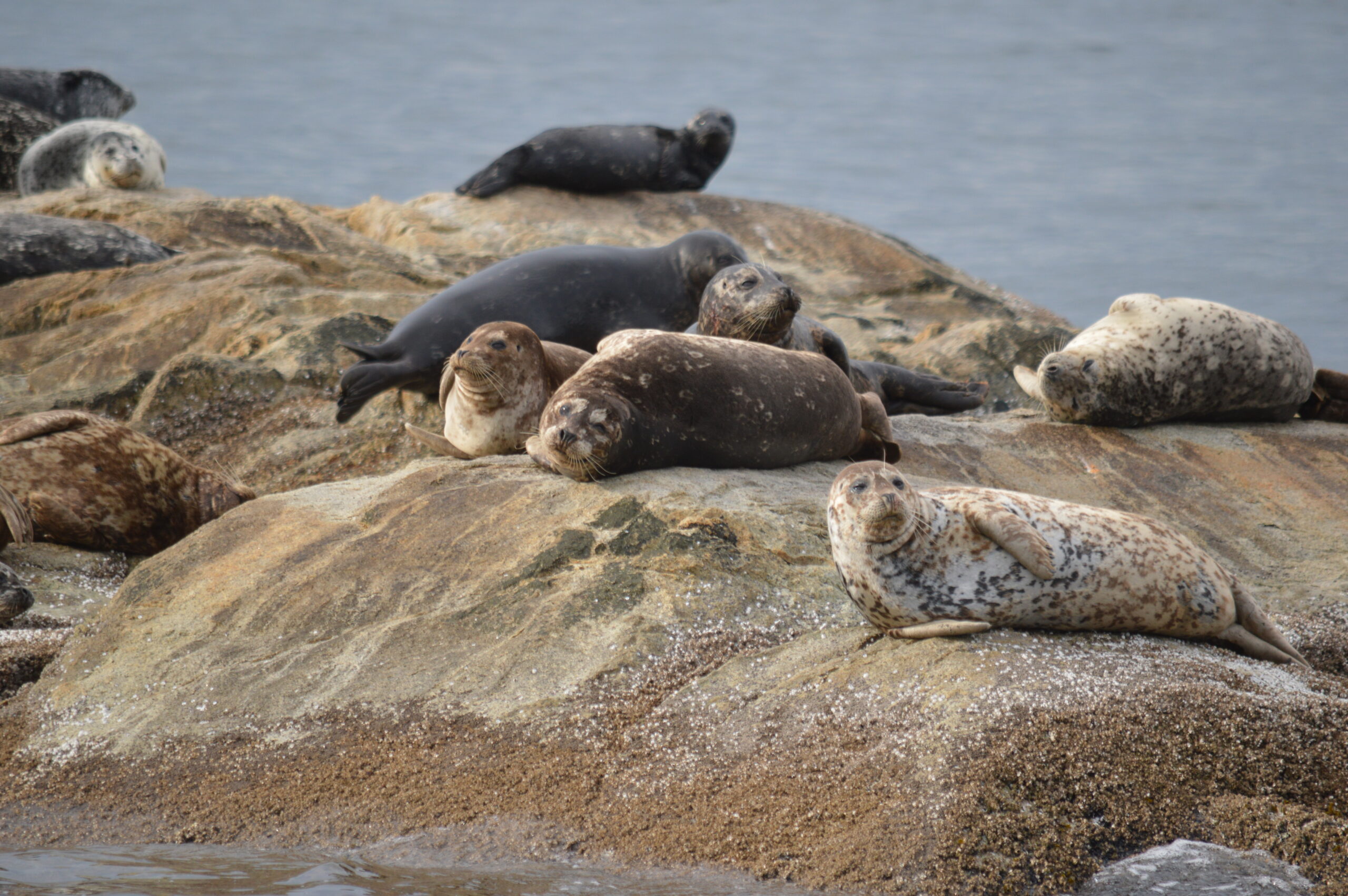
Whale watching off the coast of B.C.

Please enjoy a few photos I took while whale watching off the coast of B.C. in early October 2025. We found a pod of 6-8 humpbacks.

I used my Nikon 3200 with a 55×300 zoom lens. Click on images for a larger view.

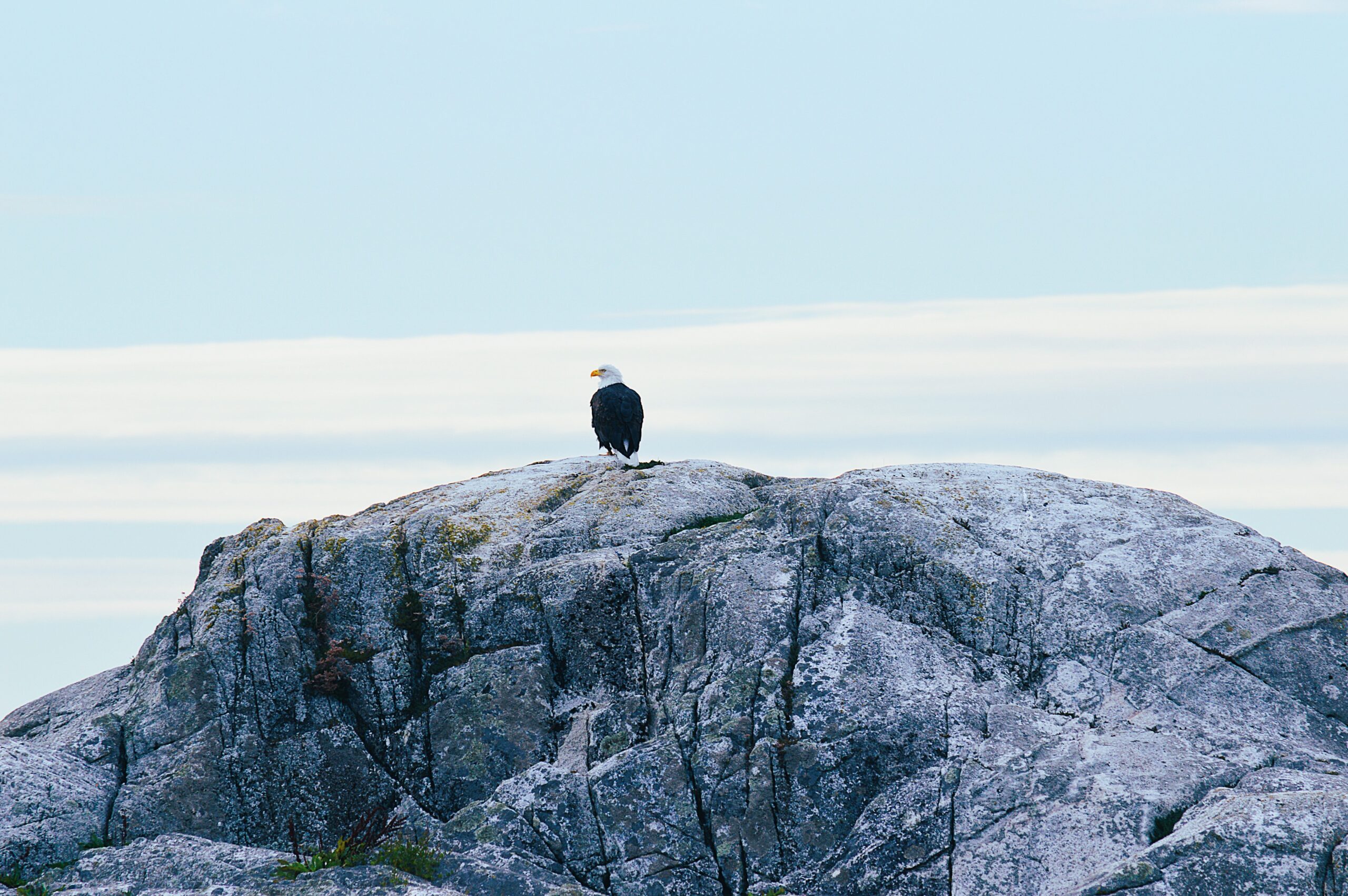
This bald eagle was on a small rocky island not far from where we saw the humpback whales.

The sun was setting, and it was time to return home after a couple of final pictures.

***

You can contact me here

https://bsky.app/profile/coffeewithaliens.bsky.social

Thanks for visiting my blog. Now go find some friends and have a wonderful day.

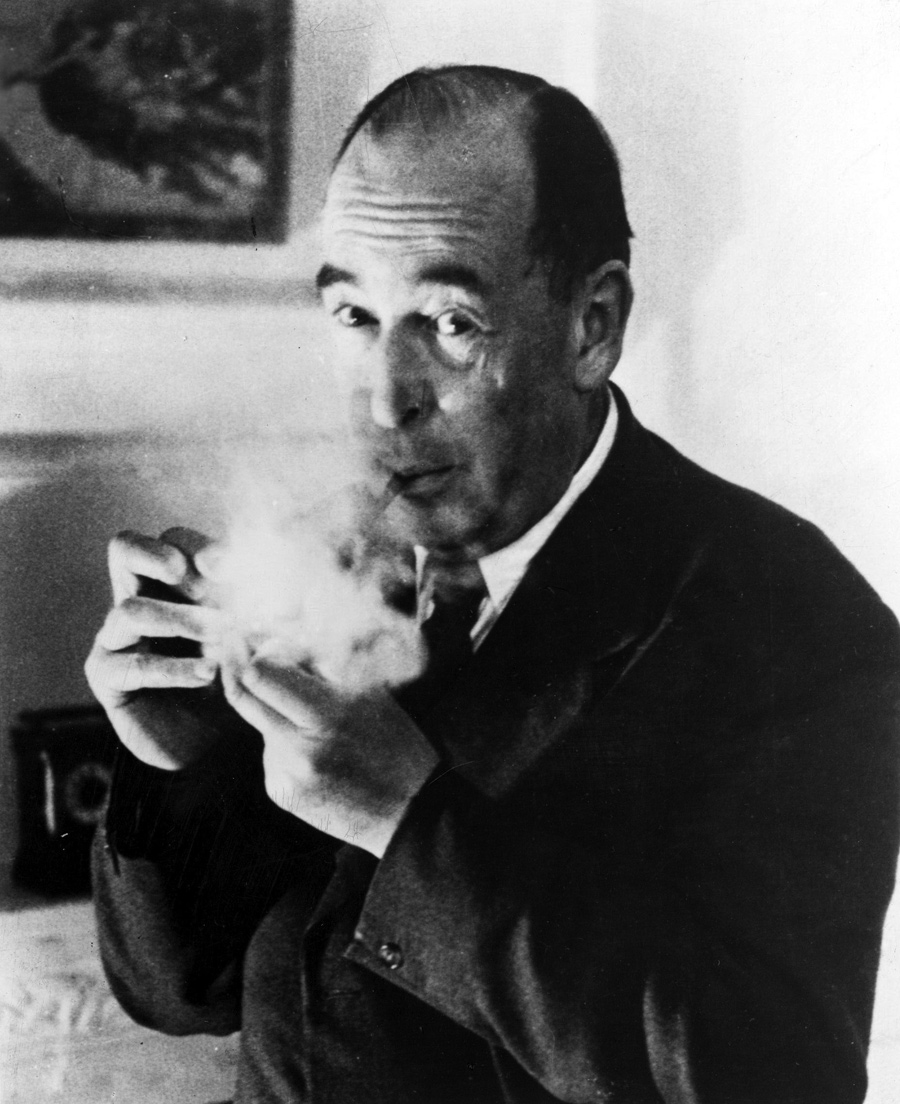
Writing Tips from CS Lewis

Here is a short list of writing tips from one of the great masters of the craft, CS Lewis.

I’ve always been a bit suspicious of overly long essays on writing advice, and I’ve seen some big name authors do just that. In my opinion, all the really important rules for good writing can be boiled down to a few basic points. If you can’t summarize it on one page, you’re trying to say too much. So I’ve come to really appreciate these six points from Lewis. It succinctly captures the really important rules for good writing, separating it from the amateurish.

Lewis’ Six Tips for Writers

On June 26, 1956, C.S. Lewis replied to letter from an American girl named Joan with advice on writing. Here’s what he said:

  1. Always try to use the language so as to make quite clear what you mean and make sure your sentence couldn’t mean anything else.
  2. Always prefer the plain direct word to the long, vague one. Don’t implement promises, but keep them.
  3. Never use abstract nouns when concrete ones will do. If you mean “More people died” don’t say “Mortality rose.”
  4. In writing, don’t use adjectives which merely tell us how you want us to feel about the things you are describing. I mean, instead of telling us the thing is “terrible,” describe it so that we’ll be terrified. Don’t say it was “delightful”; make us say “delightful” when we’ve read the description. You see, all those words (horrifying, wonderful, hideous, exquisite) are only like saying to your readers “Please, will you do my job for me.” (My note: In other words, show – don’t tell, which is the cardinal rule of good writing.)

  5. Don’t use words too big for the subject. Don’t say “infinitely” when you mean “very”; otherwise you’ll have no word left when you want to talk about something really infinite.

Thanks for visiting and have a great rest of your day.

~

~

You may contact me here, using my cleverly named ‘contact’ page…

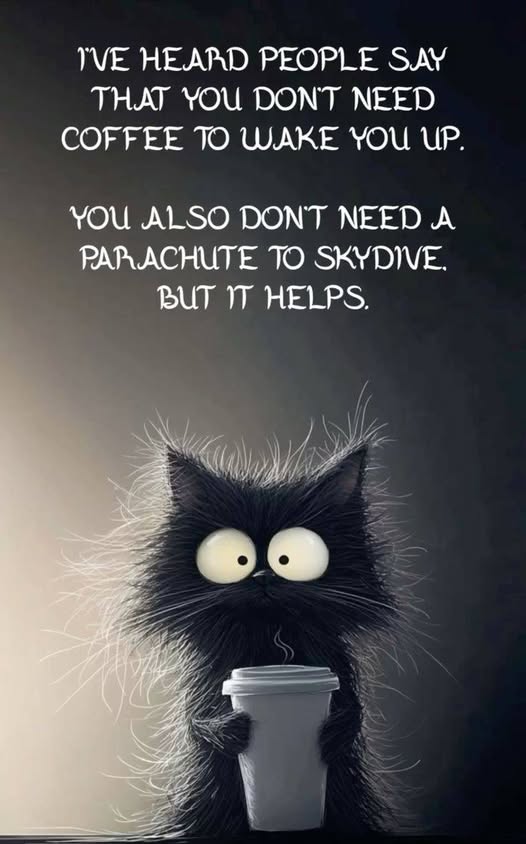
Some coffee humour to lighten your day

I came across these bags of chips in a store specializing in imported British food. I just had to take their picture. Later, I used it to make a banner for this site.

These memes made me smile, and I had to share them.

~

Inventing Reality. An interesting site about and for writers.

I made this one myself early one morning. I like it.

Have a great day!

~

Regarding this next meme, my wife and I were talking about this just the other day, the news being what it is – getting more insane with each passing day…